

Key Takeaways for Formulators
- Stevia is highly effective in confectionery when used in balanced systems
- Fiber ingredients help restore bulk and improve mouthfeel
- Acid and flavor systems help optimize sweetness perception
- Texture management is critical in gummies and chewy candies
- Functional ingredients can be incorporated into sugar-free candy formulations
Sugary products can have an irresistible charm with children, but rising awareness around tooth decay, metabolic health, and overall wellness has accelerated demand for sugar-free candy and reduced-sugar alternatives. So it’s no surprise that food manufacturers are increasingly exploring stevia candy formulations that deliver sweetness without added sugars.
In addition, the issue has certainly caught the attention of policymakers, who have proposed regulations such as restricting the sale of sugary drinks and snacks in primary and secondary schools as well as other childcare institutions. Similarly, canteens and cafeterias are implementing measures to reduce the amount of sugar in lunches and meals provided by schools.
Why Sugar Reduction Matters in Confectionery
The concerns around children’s diets is part of a larger trend — consumers of all ages are taking greater care with managing sugar in their diets. This need for health-promoting ingredients and nutritional foods is changing the face of product innovation for the confectionery industry in particular. In recent years, many of the newest product launches in confections have embraced the use of sugar substitutes such as stevia. As confectionery manufacturers are pressured and compelled to innovate, they’re finding however that reducing the need for added sugars in such products can come with some formulation challenges.
Challenges in Formulating Sugar-Free Candy
When reformulating a candy product for sugar reduction, the two most important considerations are replicating the sweetness profile of sugar and bulking the candy back to its original size. For both these considerations, the use of sugar substitutes is needed. Natural plant sources, such as stevia and monk fruit, or artificial sweeteners such as aspartame, acesulfame potassium, or sucralose, can be used. Common bulking agents that are used with plant-based sources include erythritol, allulose, fiber, and maltodextrin. Artificial bulking agents include maltitol, xylitol, sorbitol, and polydextrose. Among such a wide array of sweetener options, stevia has garnered significant attention because it is natural, has zero calories, and can be 200 – 450 times sweeter than sugar. As a result, more and more candy products containing stevia have been launching in the marketplace.
In addition to replicating sweetness levels, a common challenge with sugar reduction for confectionery products is retaining the texture, flavor, taste, and other properties of the candy’s formula. For example, in a traditional gummy candy, sugar plays a number of roles beyond its sweetness. It increases the volume of the candy, creates a soft texture, and also positively affects the chew time of the candy. If you merely replace the sugar content, many of the qualities of that candy would change with it.
Case Study: Sugar-Free Nougat with Stevia
HOWTIAN’s comprehensive sugar reduction program with stevia helped Zero Sense Labs successfully launch a sugar-free nougat series of candies. This nougat comes in 4 flavors — matcha, date, sesame, and strawberry.
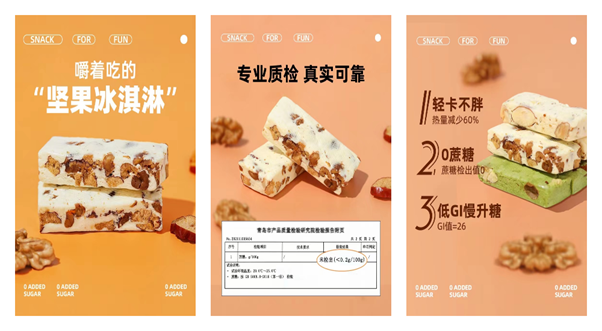
Image is copyrighted by Zero Sense Labs
The nougats carry a product label with low calorie, no added sugar, and low glycemic index claims. The candy line was able to achieve these claims by utilizing our SoPure Stevia specialty blend called Pegasus II, which contains minor glycosides that taste better than typical Reb A (see our previous edition of Formulas For Success to learn more about formulating with our SoPure Stevia specialty blends). To complement and supplement stevia in the formula, additional sweetness and bulking is provided by maltitol and inulin. This combination provides the texture and chewiness that is typically desired in a nougat.
Formulating with Maltitol
Maltitol is one of the most commonly used sugar alcohols in food and is about 70% as sweet as sugar. It has about half the calories of sugar and provides many similar properties. Since some maltitol is digested, the gastrointestinal effect isn’t as extreme when compared to other sugar alcohols. An average person may be okay with up to 40g in a serving before experiencing digestive discomfort. It is, however, produced by the hydrogenation of starch, which would then be considered an artificial sweetener.
Formulating with Inulin
Inulin is a fiber and is about 30% as sweet as sugar. The most common form of inulin is made from chicory root and a second is derived from Jerusalem artichoke. Since it is a fiber, ingesting above about 10g in a dose may cause digestive distress. Inulin does provide some browning and helps with digestion, when not consumed at too high of a level. The calories for inulin are about 1.5 per gram, so they are a little lower than maltitol.
Formulating with Trehalose
Before its reformulation, the nougat confection was sweetened using trehalose, which is a rare sugar that is about 25-45% as sweet as sugar. However, trehalose hardens over the shelf life of the product. It can change the chewy and sticky texture you want in a nougat to a more brittle consistency which may cause the candy to crack.
Trehalose is typically produced enzymatically from corn starch and naturally occurs in mushrooms, crustaceans, sunflower seeds, and breads at low levels. It currently counts as a sugar and can be labelled as a natural flavor at low use levels in countries that follow FEMA. For example, in beverages, these use levels can be under 3.5% per the guidance from FEMA 4600.
Trehalose doesn’t brown when baked and is stable at high temperatures and acidic conditions. While it doesn’t work as well in this nougat or a taffy application, it could be utilized used in other candy formulas or many formulas in need of sugar replacement.
Case Study: Sugar-Free Functional Gummies with Stevia
At SupplySide Global 2025, HOWTIAN showcased a series of sugar-free stevia gummies that demonstrated how fiber-based systems can successfully replace sugar while maintaining excellent taste and texture. These samples consistently received positive sensory feedback, with many attendees surprised to learn the gummies contained no added sugar. Two prototype formulations included:
Watermelon Sugar-Free PQQ Gummy (20 mg PQQ per piece, 2.7 g):
- Inulin (Jerusalem Artichoke), Tapioca Fiber, Water, Pectin
- Less than 2% of: Natural Flavor, Vegetable Juice (Color), Stevia Leaf Extract, Malic Acid, Sodium Citrate, Citric Acid, PQQ, Carnauba Wax, MCT Oil.
Blueberry Sugar-Free PQQ + Scyllo-Inositol Gummy (20 mg PQQ + 125 mg Scyllo-Inositol per piece, 2.7 g):
- Inulin (Jerusalem Artichoke), Tapioca Fiber, Water, Pectin
- Less than 2% of: Natural Flavor, Spirulina and Vegetable Juice (Color), Stevia Leaf Extract, Malic Acid, Sodium Citrate, Citric Acid, PQQ, Scyllo-Inositol, Carnauba Wax, MCT Oil.
These formulations illustrate several key principles in stevia confectionery formulation:
- Fiber systems can successfully replace sugar bulk
- Pectin systems pair well with stevia in gummies due to both having plant-based origins
- Acid systems bring out fruit flavor
- Functional ingredients can be incorporated without compromising taste
This approach enables manufacturers to develop functional, sugar-free candy that aligns with growing consumer demand for wellness-oriented confectionery.
Practical Tips for Formulating Stevia Candy
When developing sugar-free candy with stevia, formulators should consider several key factors:
- Balance sweetness curves
Stevia delivers high sweetness intensity but lacks the upfront sweetness of sucrose. Blending with fibers, polyols, or rare sugars can improve onset and reduce lingering sweetness. - Replace bulk strategically
Inulin, tapioca fiber, and polydextrose are commonly used to restore structure, bulk and chew in sugar-free candy systems, while also providing functional benefits. - Manage bitterness and off-notes
Minor glycosides and specialty stevia blends help reduce bitterness. Acidulants and flavor systems can further improve sensory performance. - Optimize texture and water activity
In gummies and chewy candies, sugar plays a major role in water binding and gel strength. Fiber systems and hydrocolloids must be adjusted carefully to maintain chew and shelf stability.
How HOWTIAN Supports Sugar Reduction Projects
If you need help with reformulating for a sugar reduction or replacement, HOWTIAN application engineers are available to help meet your sugar reduction challenges. We can assist in developing a customized sugar reduction strategy for your product(s) with cost-effective solutions and reliable supply. Please contact us to learn more.